

What it is
The ocular surface is the tear film, the conjunctiva and the outermost layer of the cornea: what keeps the eye lubricated, clear and comfortable. When it fails, dry eye appears, today one of the most frequent reasons for a visit because of screens, air conditioning and age.
This area also groups the laser procedures that require no incision: each belongs to a different disease (glaucoma, the capsule after cataract surgery, the retina), but they share the way they are done and the fact that they do not go through the operating room.
What's included
- Laser procedures
- Dry eye treatment
Techniques and procedures
-
01
Dry eye treatment
First the cause is found: too little tear, tear that evaporates too fast, or inflammation of the eyelids. The treatment and the habits follow from that: artificial tears, eyelid hygiene, control of the inflammation and, in some cases, punctal plugs or procedures on the eyelid glands.
-
02
Laser procedures
The laser for capsule opacification after cataract surgery, iridotomy and trabeculoplasty (SLT) in glaucoma, and photocoagulation in the retina. Each is indicated from its own area; they are grouped here because they share the way they are done.
-
03
Surface disease
Allergic conjunctivitis, blepharitis, pterygium and the surface lesions that irritate or grow over the cornea. Many are treated with medication; a pterygium, when it advances toward the center of the cornea, may require surgery.
Who treats it



When to get checked
- Burning, a gritty feeling or watering that gets worse with screens, air conditioning or at the end of the day.
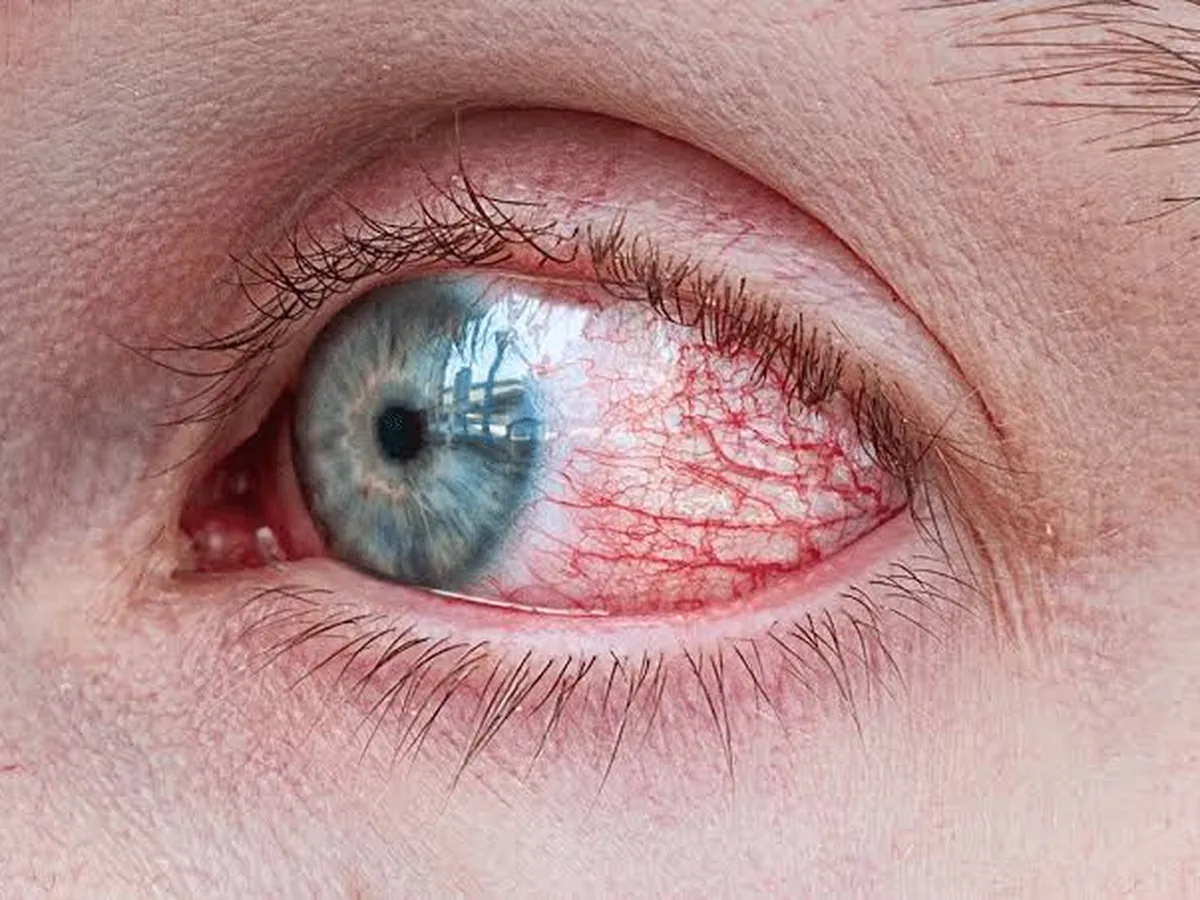
- Frequently red eyes without a clear cause.
- Vision that fluctuates: it clears when you blink and gets hazy again.
- You had cataract surgery and your vision got hazy again months later.
- A fleshy tissue is growing over the white of the eye toward the cornea.
If any of these sound familiar, the sensible step is an assessment: that is where you find out what is going on and what to do about it.
General guidance. It does not replace an assessment by a specialist.
Related services
-
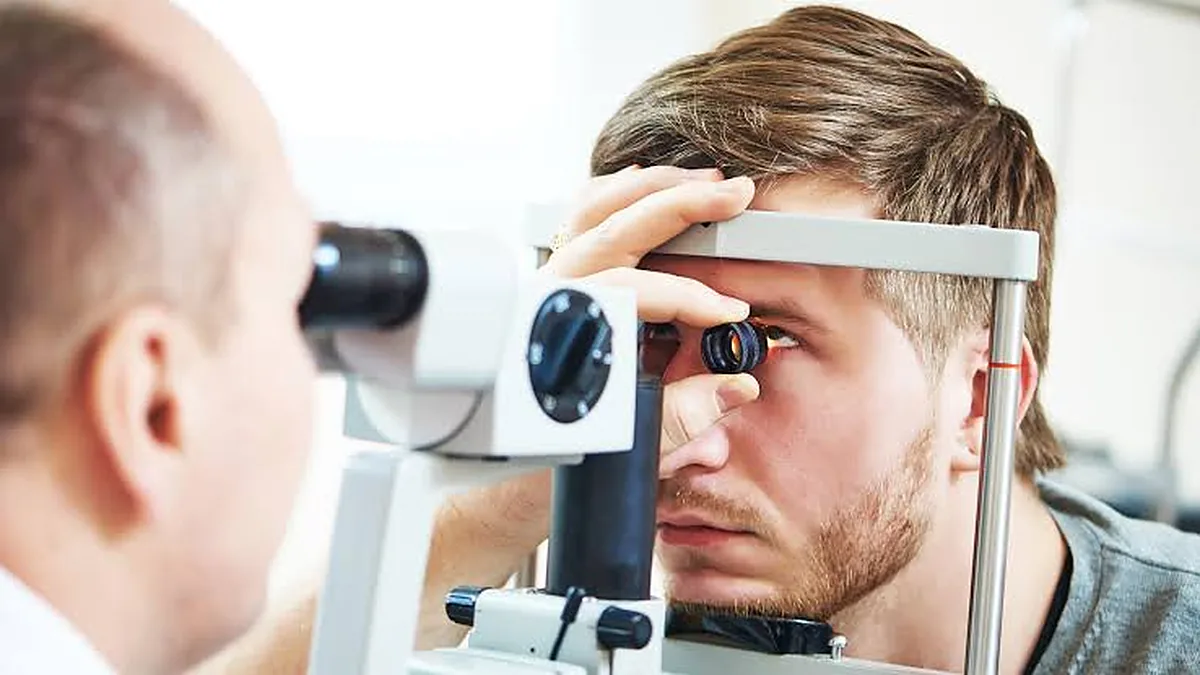
Consultations and diagnostics
Comprehensive exams, subspecialty consultations and diagnostic testing: the starting point of any treatment.
-
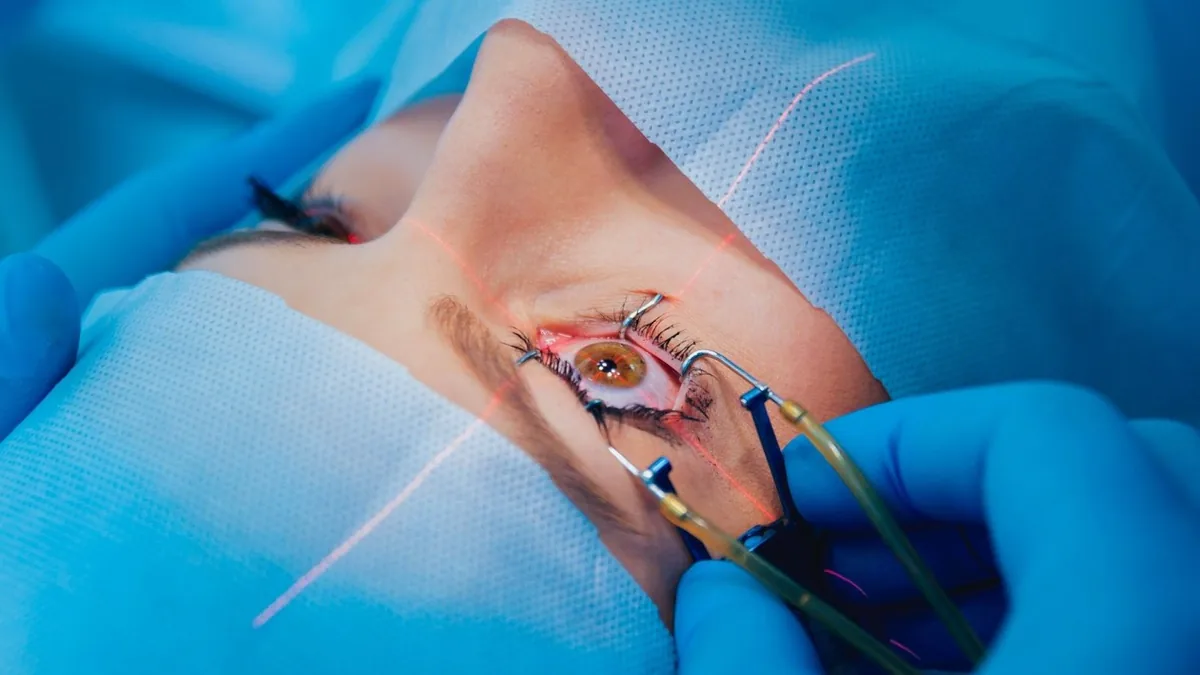
Cornea and refractive surgery
Refractive surgery, corneal transplants and treatment of corneal disease, from refractive errors to clouding.
-
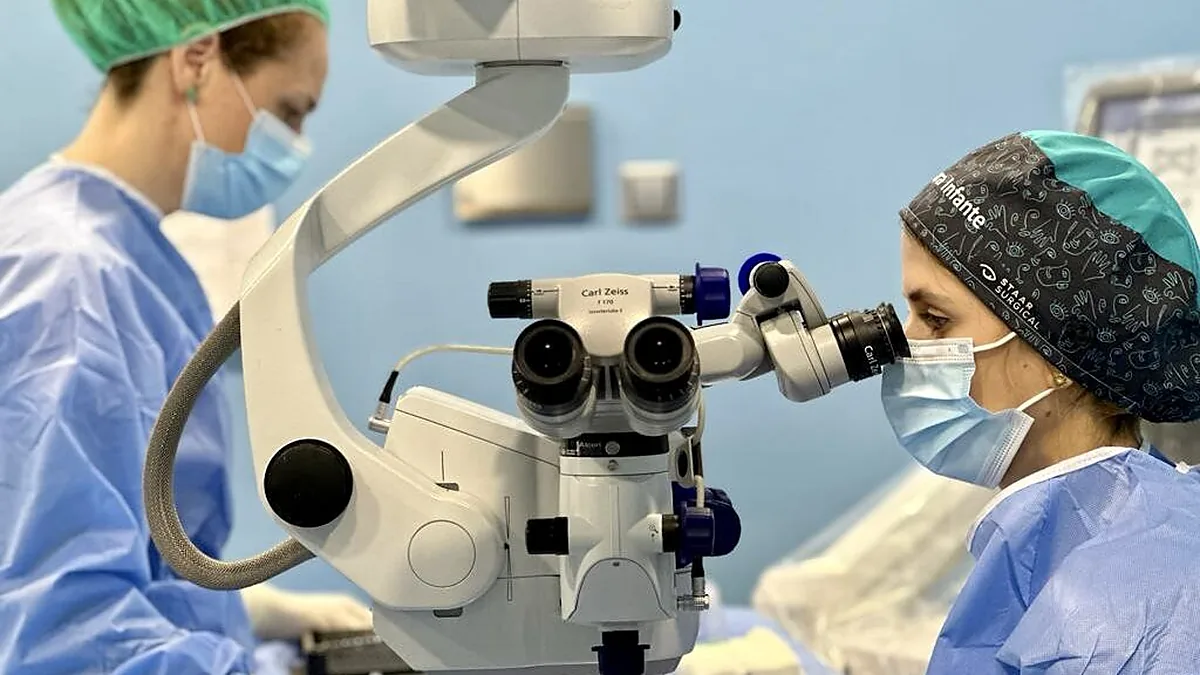
Cataract
Cataract surgery and intraocular lens implants: the clouded natural lens is replaced with a clear new one.
Accreditations
-
Mexican Board of Ophthalmology
All three doctors, board-certified in the specialty.
-
COFEPRIS
Current operating notice with the federal health authority.
-
Centro Médico ABC
All three doctors, members of its medical society.
-
Instituto de Oftalmología
Fundación Conde de Valenciana IAP.
-
Mexican Society of Ophthalmology
Active members, current in their subspecialty.




Contact
Where we are
Arrive 10 minutes before your appointment: the clinic is in Torre A, fifth floor, and the entrance and the elevator take a moment.
- Prolongación Vasco de Quiroga 4001
- Torre A, Piso 5, Consultorio 5
- Santa Fe, 05310
- Cuajimalpa, Ciudad de México
Write to us
Leave us your details and we will contact you the same day to coordinate your visit.
Notes
What is worth knowing about your eyes
-
Am I a candidate for refractive surgery?
It is not for everyone, or at any point in life: first we check your prescription, your corneal shape and the ocular surface.
Dr. Alejandro Navas Pérez
Read note -
Diabetes: your retina gets checked even if you see well
The damage starts without symptoms and shows up in a dilated exam, so the check-up is scheduled instead of waiting for trouble.
Dr. Gerardo Ledesma Gil
Read note -
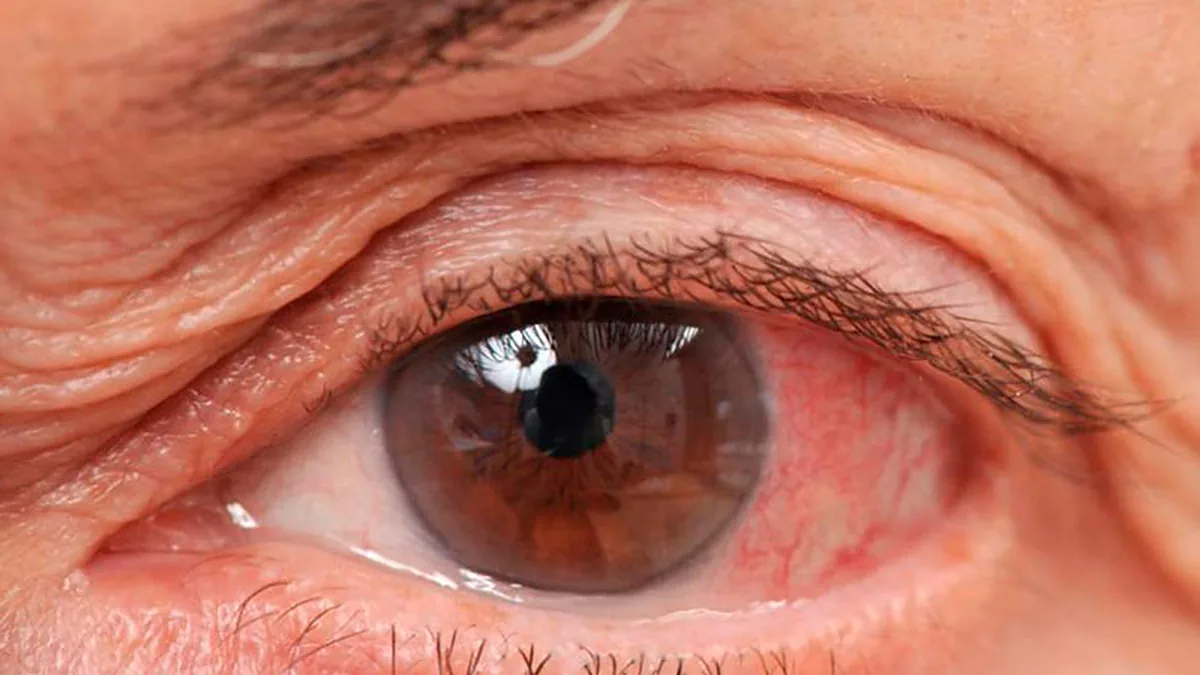
Glaucoma gives almost no warning
Side vision goes little by little and the brain fills in what is missing. By the time you notice, the optic nerve is damaged.
Dra. Jasbeth Jahaira Ledesma Gil
Read note -
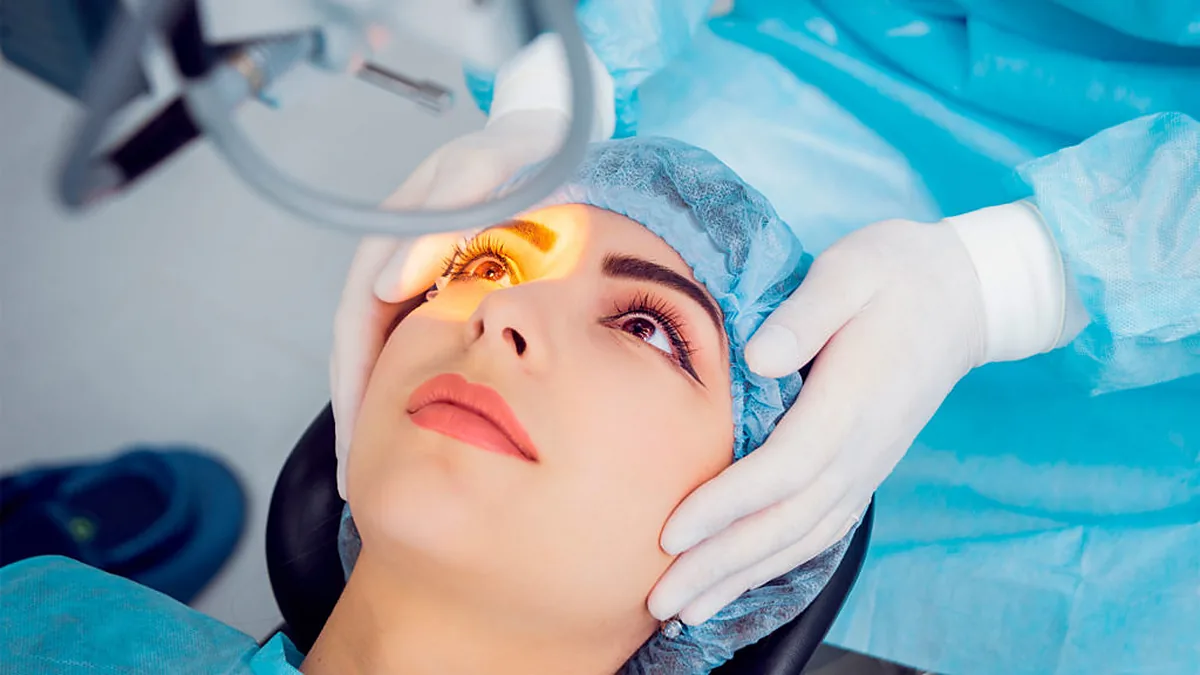
The cornea is the window of the eye
When it loses clarity or changes shape, vision blurs even with the right lenses: a prescription that will not settle deserves an exam.
Dr. Alejandro Navas Pérez
Read note -
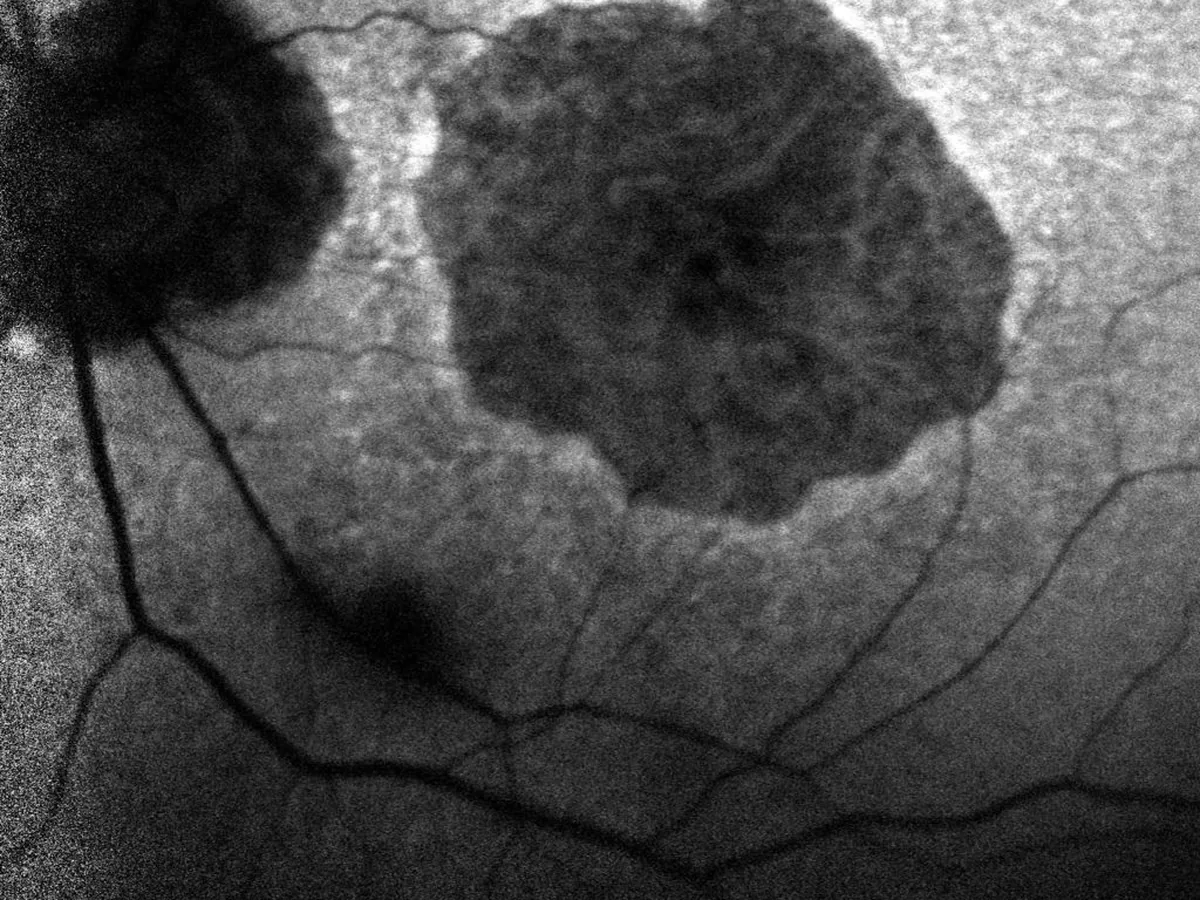
Floaters, flashes and shadows
A sudden burst of them, or a shadow moving in from the side, should not wait for your next visit: it calls for a prompt retina exam.
Dr. Gerardo Ledesma Gil
Read note -
If glaucoma runs in your family
Your check-ups start earlier. Pressure alone is not enough: the optic nerve and the visual field are assessed too, and repeated over time.
Dra. Jasbeth Jahaira Ledesma Gil
Read note -
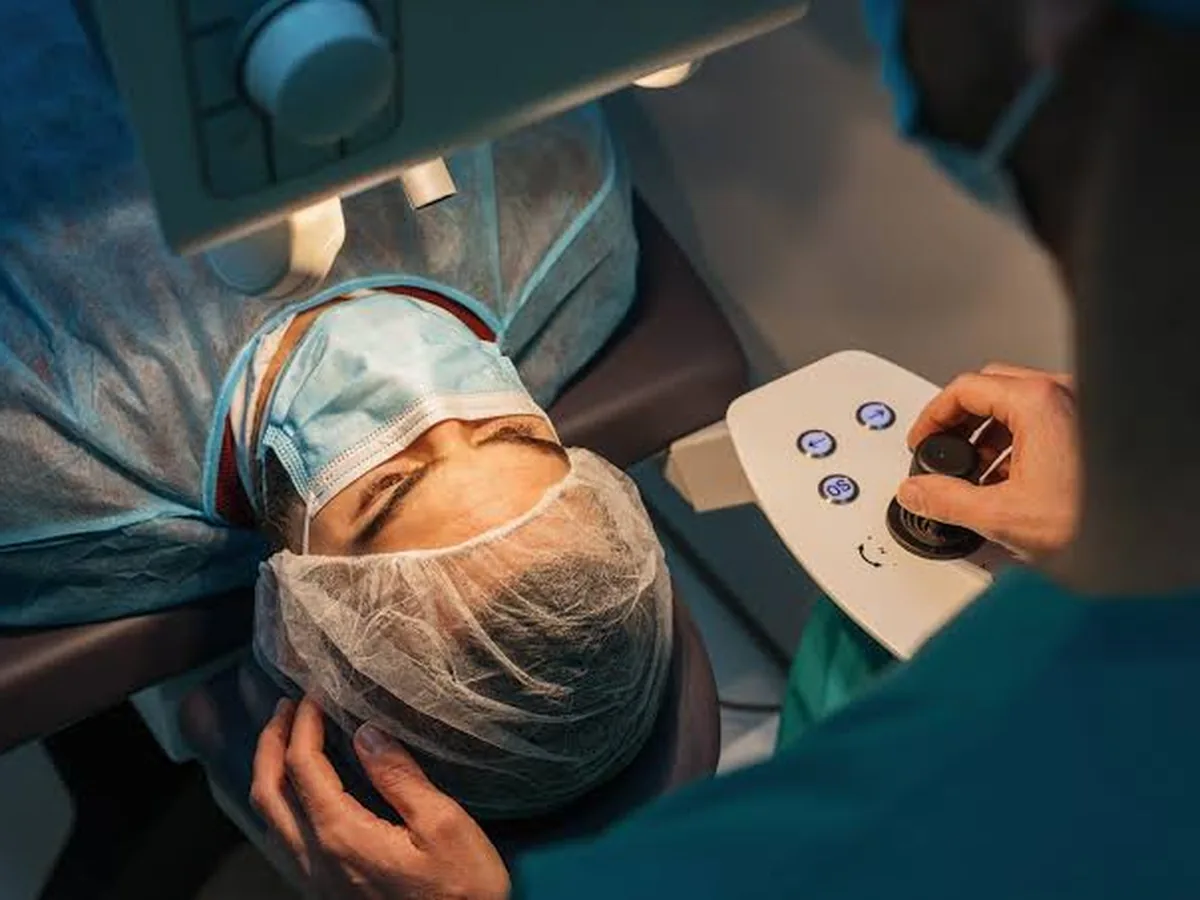
Dry eye: why it burns and what helps
It is rarely a lack of water: usually the tear film evaporates too fast. That is why drops alone are not always enough.
Dr. Alejandro Navas Pérez
Read note -
After retina surgery
Vision takes time to settle and the follow-up visits are part of the treatment, not paperwork: that is where we see if things are going where they should.
Dr. Gerardo Ledesma Gil
Read note -
Glaucoma drops are for every day
They are not felt and they do not relieve a symptom: that is why they get forgotten. What they do is hold the pressure while the nerve holds on.
Dra. Jasbeth Jahaira Ledesma Gil
Read note -

Contact lenses: the care that actually matters
Most serious corneal problems in lens wearers come from three habits, and all three can be changed today.
Dr. Alejandro Navas Pérez
Read note
Frequently asked questions
What people ask us most before their first visit
Do I need a referral to book a visit?
No. You can book your consultation directly. If another doctor referred you, please bring their notes and any tests: they help us avoid repeating work that is already done.
How long does the first assessment take?
Between 30 and 60 minutes. It includes a full eye exam.
What should I bring to my appointment?
Your current glasses, a list of the medications you take and any previous eye tests or prescriptions. If you wear contact lenses, ask us how long before the visit you should take them out.
Will my pupils be dilated? Can I drive afterwards?
Often yes, especially for retina and glaucoma exams. The drops leave your vision blurry and light-sensitive for a couple of hours, so it is best to bring someone along or not drive back.
Where is the clinic?
In Santa Fe, inside an office tower: Prolongación Vasco de Quiroga 4001, Tower A, 5th floor, office 5. Allow a few minutes for the entrance and the elevator; the "Directions" button opens the route on the map.