

What it is
The retina is the layer at the back of the eye that receives light and turns it into the signal that travels to the brain; the macula is its center, the spot that gives the fine vision needed to read and recognize faces. Its diseases usually progress without pain and, at first, without any change in vision: that is why they are caught in the exam and not by symptoms.
The two most common are age-related macular degeneration and diabetic retinopathy. In both, catching them early changes the outlook: there are treatments that halt the damage, but what has already been lost is hard to get back.
What's included
- Retinal surgery
- Age-related macular degeneration
- Diabetic retinopathy
- Retinal disease treatment
Techniques and procedures
-
01
Age-related macular degeneration
Wear of the macula with age. In its dry form it progresses slowly and is monitored; in the wet form abnormal vessels grow under the retina and it is treated with injections into the eye that stop that growth. The Amsler grid at home helps notice changes between visits.
-
02
Diabetic retinopathy
High blood sugar damages the vessels of the retina, which bleed or leak fluid into the macula. At first there are no symptoms: that is why everyone with diabetes has their retina checked every year even if they see well. It is treated with laser, injections or surgery depending on the stage.
-
03
Retinal surgery
A vitrectomy removes the gel inside the eye to reach the retina and repair a detachment, a membrane over the macula, a macular hole or a hemorrhage that does not clear on its own. A retinal detachment is an emergency: time matters.
-
04
Other retinal diseases
Vein occlusions, macular edema, high myopia and tears. Each has its own follow-up; the test that reveals them best is retinal imaging (OCT), which shows the layers of the macula without touching the eye.
Who treats it

When to get checked
- Straight lines look wavy or there is a fixed spot in the center of your vision.
- Floaters, flashes of light or a curtain covering part of your vision appeared suddenly: this is an emergency.
- You live with diabetes and have not had your retina checked in the last year.
- You are over 50 and there is macular degeneration in your family.
- When you cover one eye and then the other, you notice one sees differently.
If any of these sound familiar, the sensible step is an assessment: that is where you find out what is going on and what to do about it.
General guidance. It does not replace an assessment by a specialist.
Related services
-
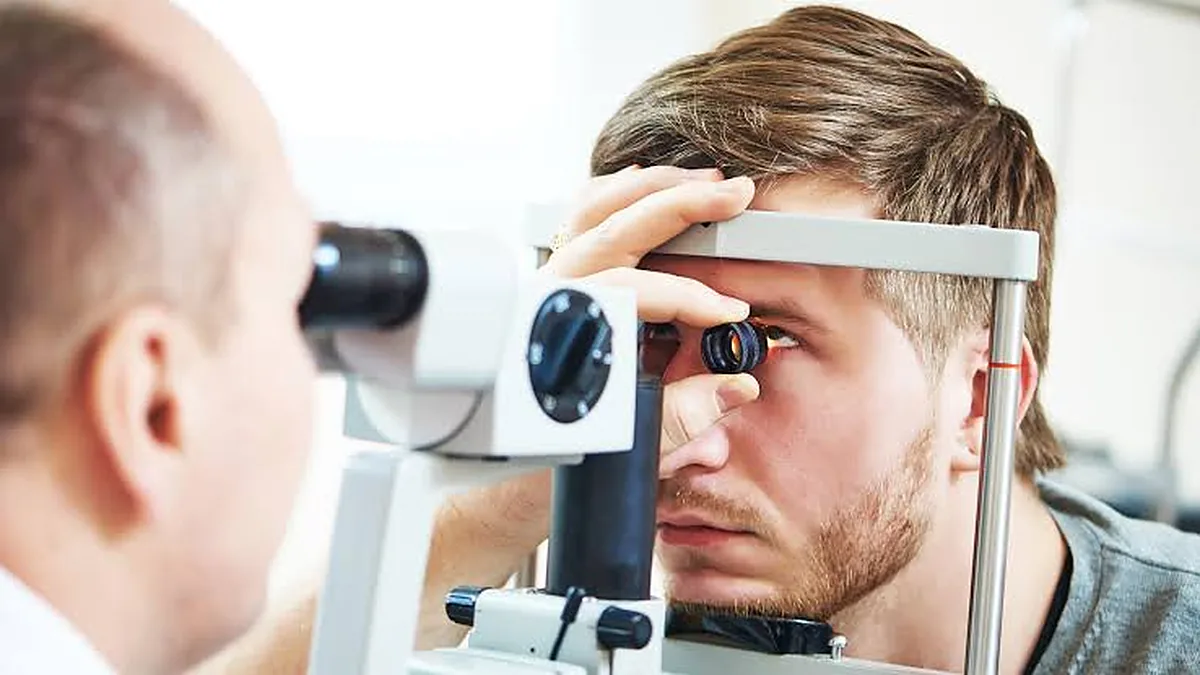
Consultations and diagnostics
Comprehensive exams, subspecialty consultations and diagnostic testing: the starting point of any treatment.
-
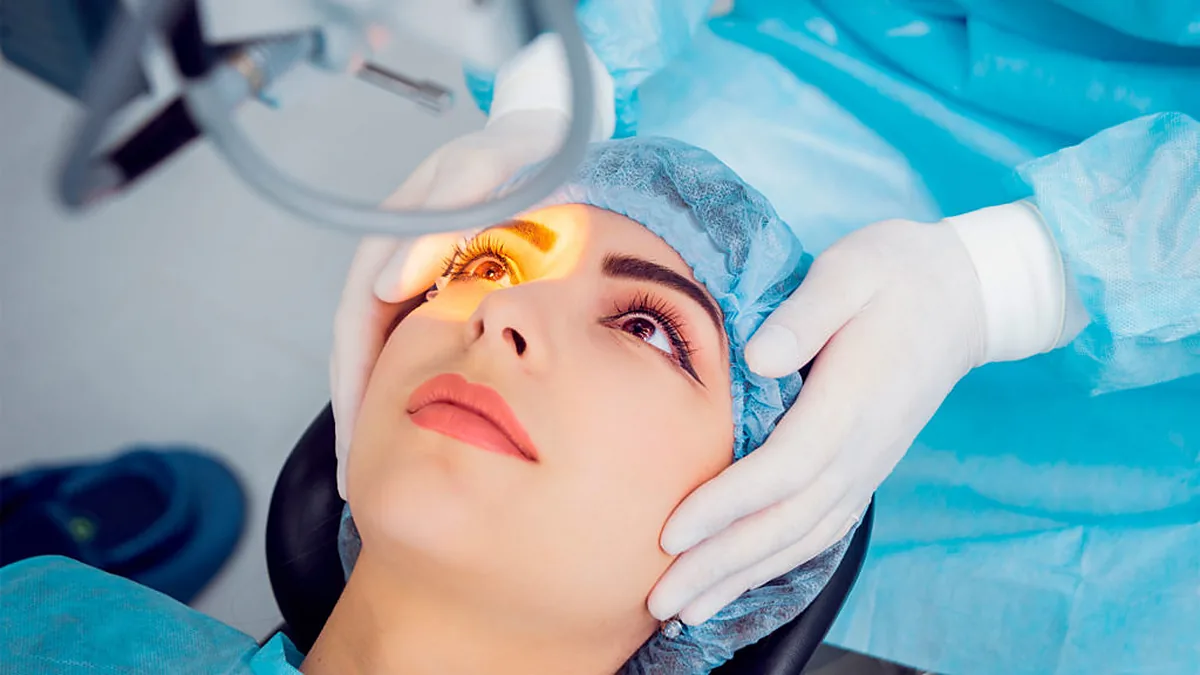
Laser and ocular surface
Laser procedures and dry eye treatment: caring for the ocular surface and the tear film.
-
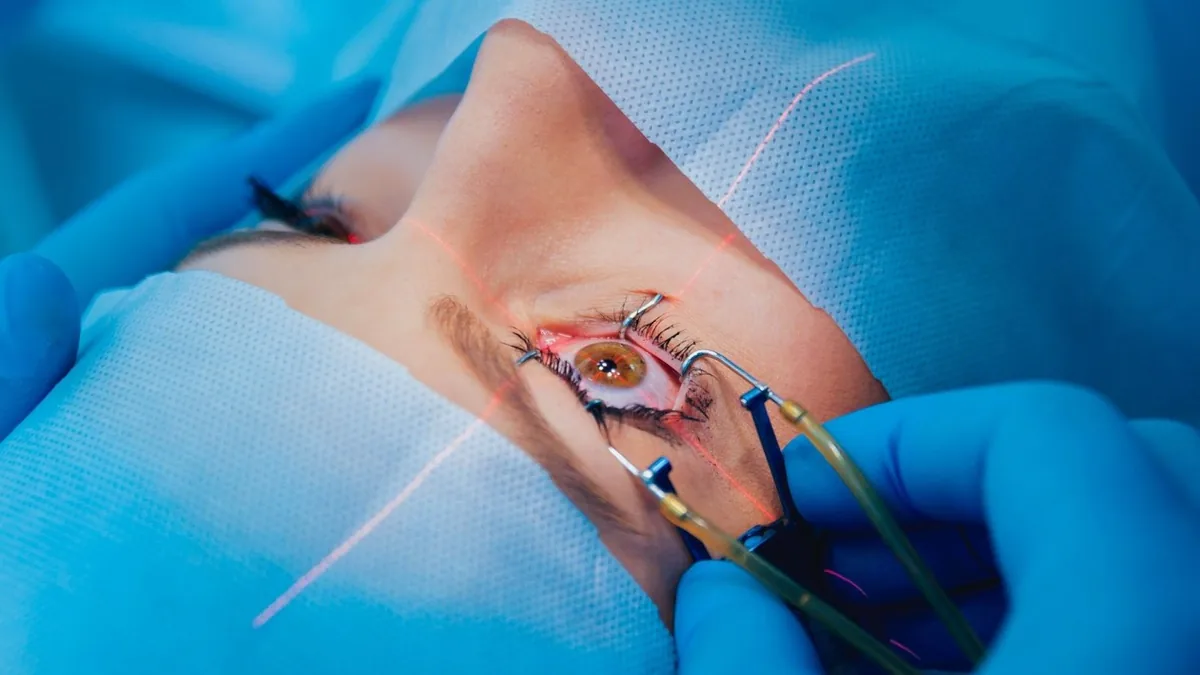
Cornea and refractive surgery
Refractive surgery, corneal transplants and treatment of corneal disease, from refractive errors to clouding.
Accreditations
-
Mexican Board of Ophthalmology
All three doctors, board-certified in the specialty.
-
COFEPRIS
Current operating notice with the federal health authority.
-
Centro Médico ABC
All three doctors, members of its medical society.
-
Instituto de Oftalmología
Fundación Conde de Valenciana IAP.
-
Mexican Society of Ophthalmology
Active members, current in their subspecialty.




Contact
Where we are
Arrive 10 minutes before your appointment: the clinic is in Torre A, fifth floor, and the entrance and the elevator take a moment.
- Prolongación Vasco de Quiroga 4001
- Torre A, Piso 5, Consultorio 5
- Santa Fe, 05310
- Cuajimalpa, Ciudad de México
Write to us
Leave us your details and we will contact you the same day to coordinate your visit.
Notes
What is worth knowing about your eyes
-
Diabetes: your retina gets checked even if you see well
The damage starts without symptoms and shows up in a dilated exam, so the check-up is scheduled instead of waiting for trouble.
Dr. Gerardo Ledesma Gil
Read note -
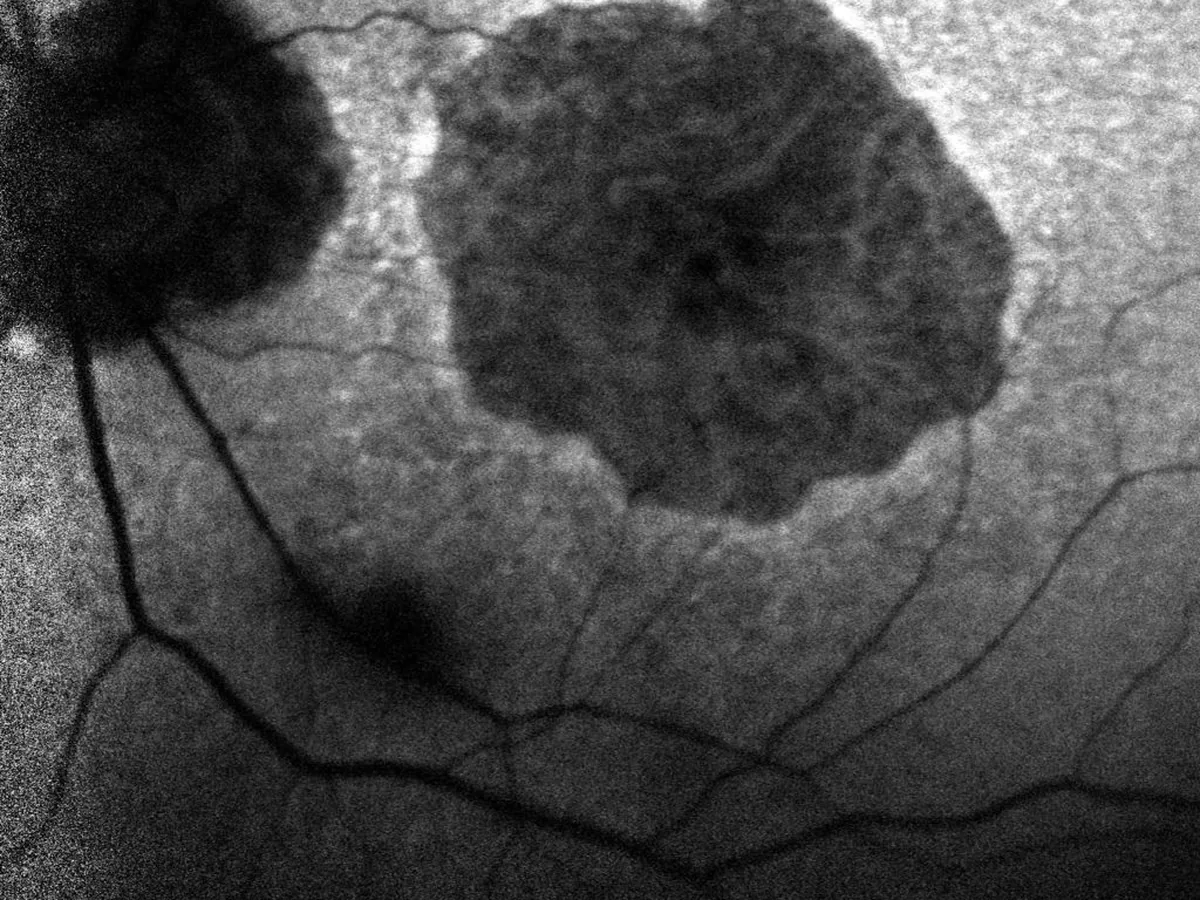
Floaters, flashes and shadows
A sudden burst of them, or a shadow moving in from the side, should not wait for your next visit: it calls for a prompt retina exam.
Dr. Gerardo Ledesma Gil
Read note -
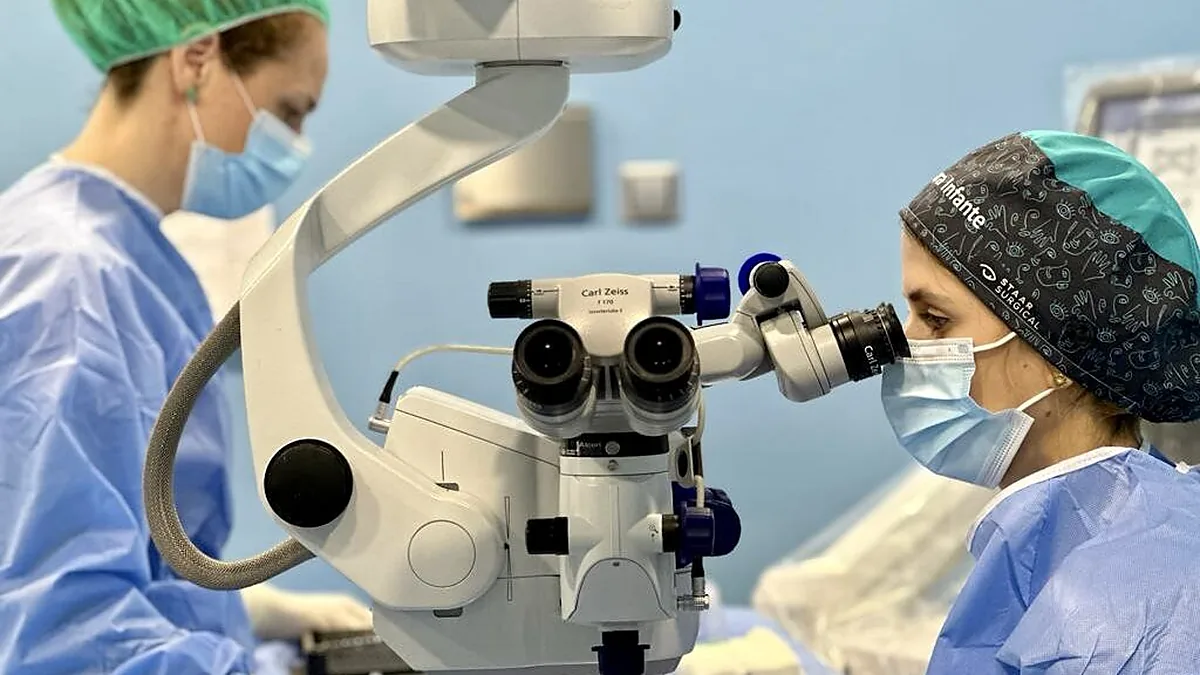
After retina surgery
Vision takes time to settle and the follow-up visits are part of the treatment, not paperwork: that is where we see if things are going where they should.
Dr. Gerardo Ledesma Gil
Read note
Frequently asked questions
What people ask us most before their first visit
Do I need a referral to book a visit?
No. You can book your consultation directly. If another doctor referred you, please bring their notes and any tests: they help us avoid repeating work that is already done.
How long does the first assessment take?
Between 30 and 60 minutes. It includes a full eye exam.
What should I bring to my appointment?
Your current glasses, a list of the medications you take and any previous eye tests or prescriptions. If you wear contact lenses, ask us how long before the visit you should take them out.
Will my pupils be dilated? Can I drive afterwards?
Often yes, especially for retina and glaucoma exams. The drops leave your vision blurry and light-sensitive for a couple of hours, so it is best to bring someone along or not drive back.
Where is the clinic?
In Santa Fe, inside an office tower: Prolongación Vasco de Quiroga 4001, Tower A, 5th floor, office 5. Allow a few minutes for the entrance and the elevator; the "Directions" button opens the route on the map.