

What it is
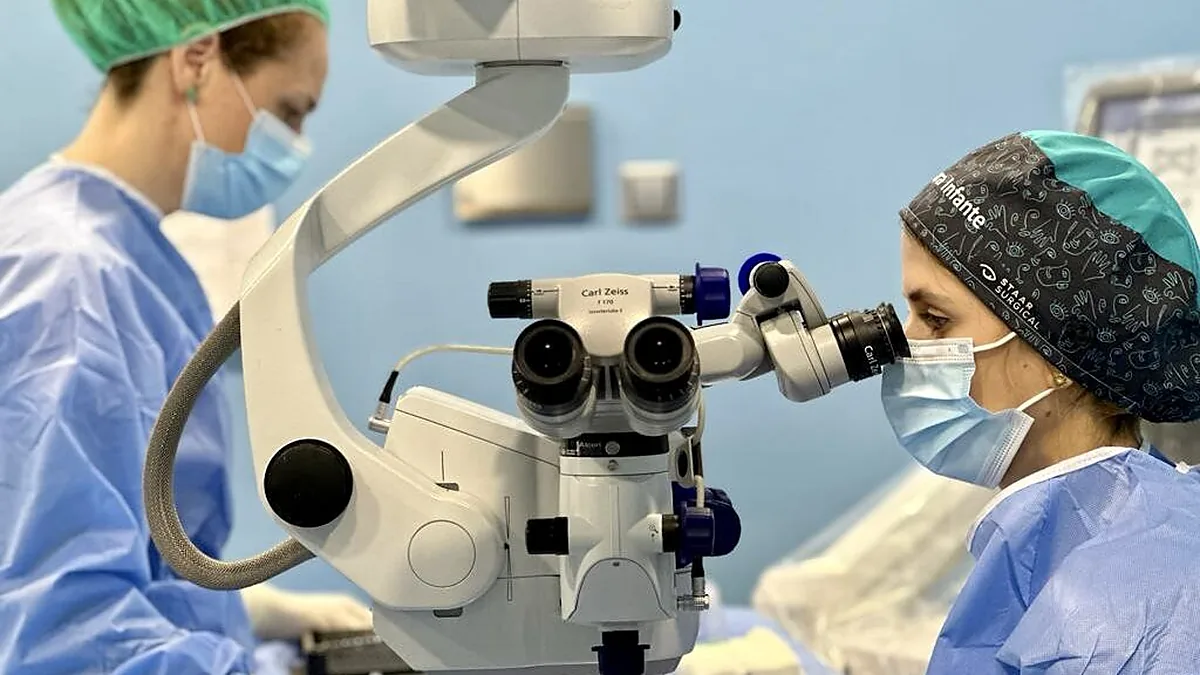
A cataract is the clouding of the crystalline lens, the natural lens behind the pupil. It is part of how the eye ages and sooner or later it appears in almost everyone: vision gets hazy, colors lose their vividness and lights at night glare more.
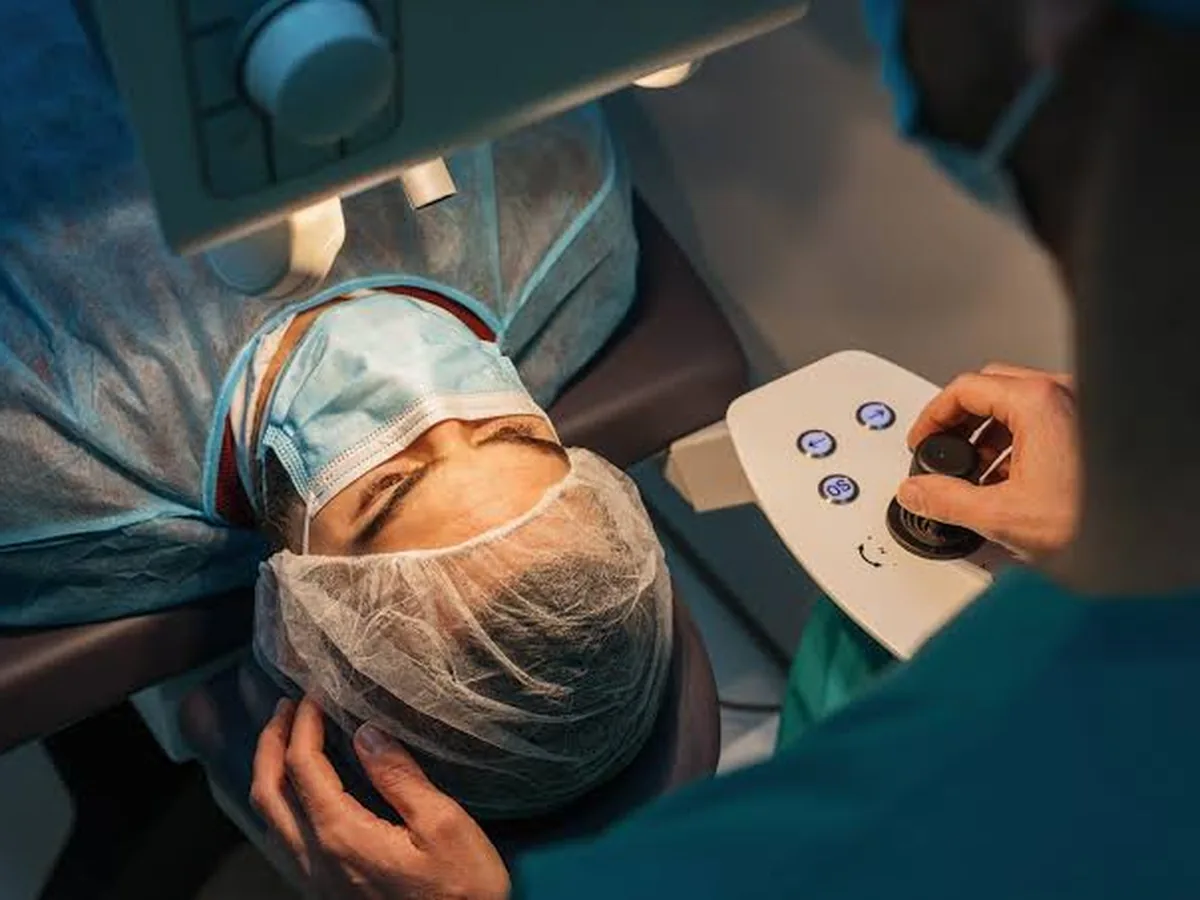
It is not treated with drops or glasses: the only treatment is surgery, which removes the clouded lens and replaces it with an intraocular lens. When to operate is a decision the patient makes with their doctor, based on how much the cataract gets in the way of daily life.
What's included
- Cataract surgery
- Intraocular lens implants
Techniques and procedures
-
01
Cataract surgery
The clouded lens is broken up with ultrasound (phacoemulsification) and removed through a small incision, through which the new lens then goes in. Before surgery the eye is measured to calculate the power of that lens.
-
02
Intraocular lens implants
The lens that replaces the natural one is chosen before surgery: there are monofocal lenses, which focus at one distance; toric lenses, which correct astigmatism; and multifocal or extended range lenses, which aim to reduce dependence on glasses. Which one makes sense depends on the eye and on what the person does day to day.
-
03
Posterior capsule opacification
Months or years after surgery, the capsule that holds the lens can cloud over and vision gets hazy again. It is not the cataract coming back: it is resolved with a brief laser procedure, without going back to the operating room.
Who treats it

When to get checked
- You see hazy or as if through a fogged window, and cleaning your glasses does not help.
- Lights at night glare more than before and driving has become uncomfortable.
- Colors look dull or yellowish.
- Your prescription has changed several times in a short period.
- You are over 60 and it has been a while since your lens was checked.
If any of these sound familiar, the sensible step is an assessment: that is where you find out what is going on and what to do about it.
General guidance. It does not replace an assessment by a specialist.
Related services
-
Consultations and diagnostics
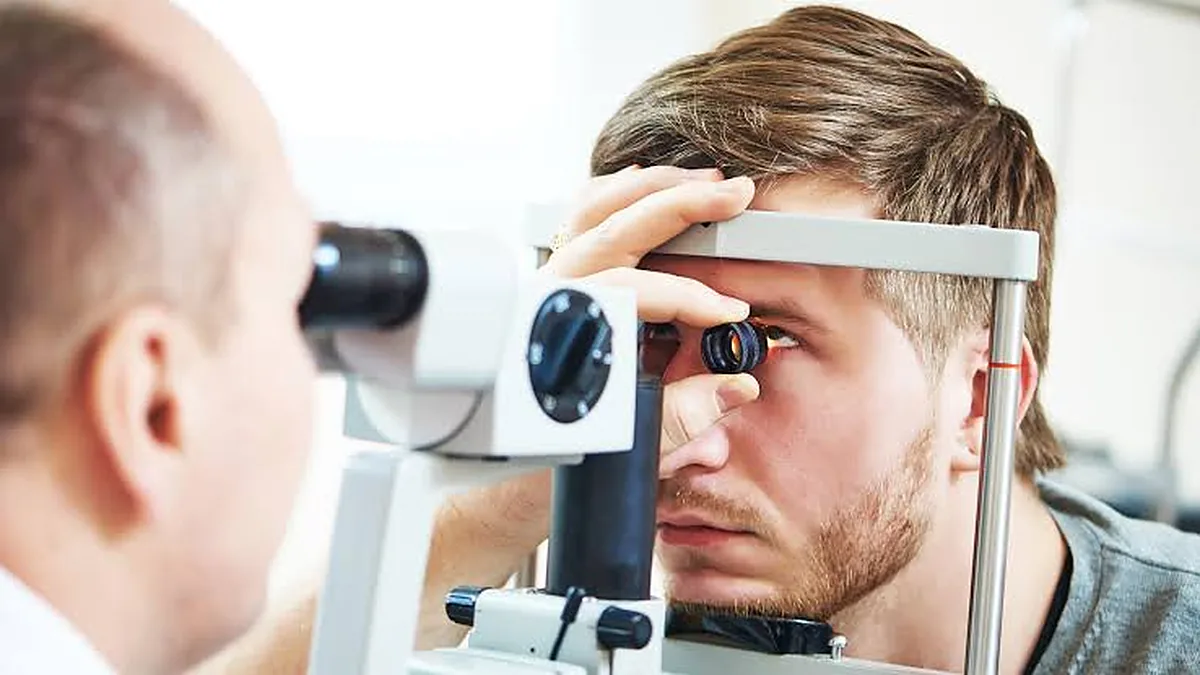
Comprehensive exams, subspecialty consultations and diagnostic testing: the starting point of any treatment.
-
Cornea and refractive surgery
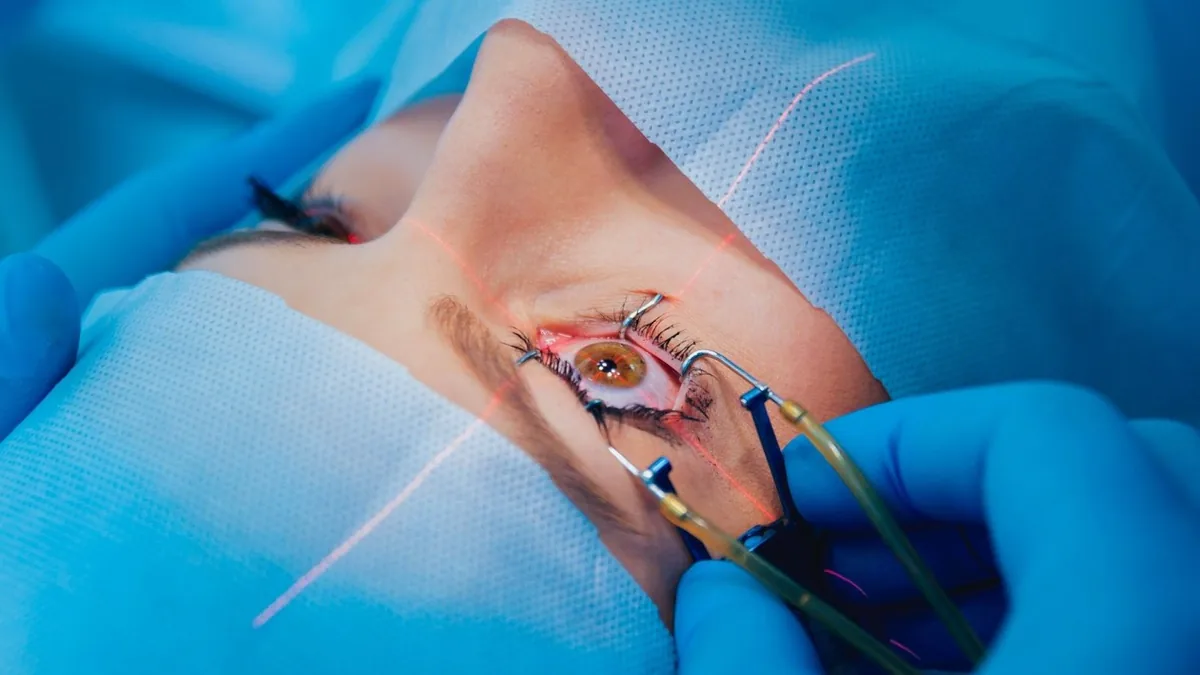
Refractive surgery, corneal transplants and treatment of corneal disease, from refractive errors to clouding.
-
Laser and ocular surface
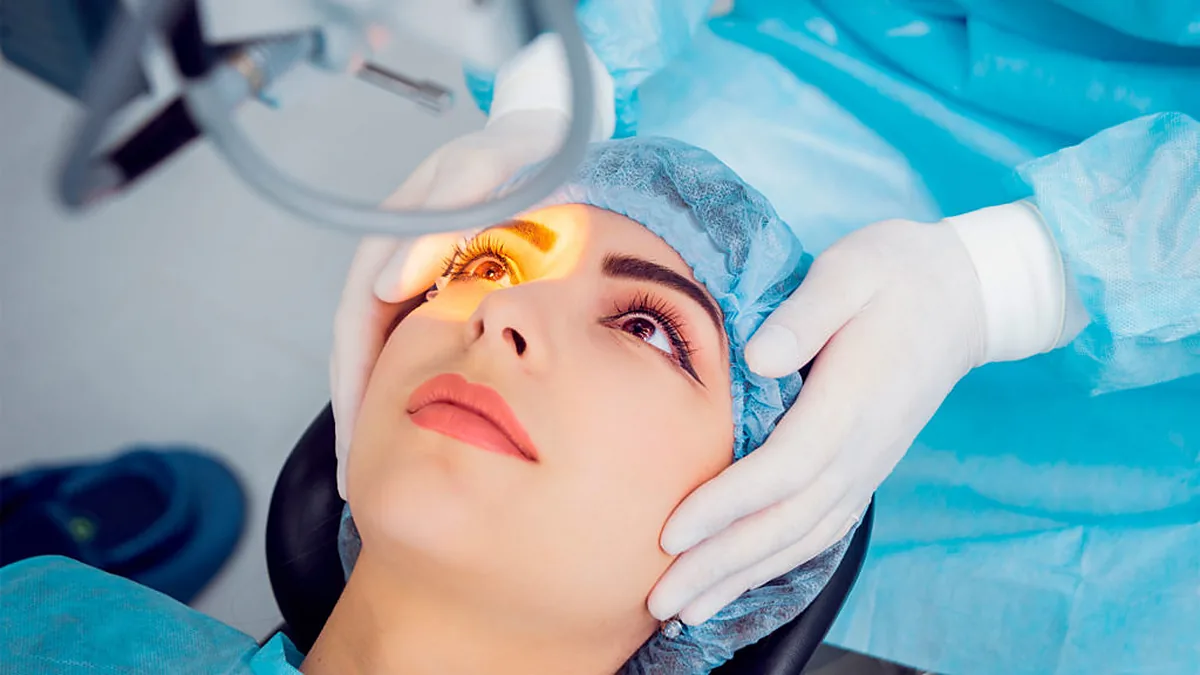
Laser procedures and dry eye treatment: caring for the ocular surface and the tear film.
Accreditations
-
Mexican Board of Ophthalmology
All three doctors, board-certified in the specialty.
-
COFEPRIS
Current operating notice with the federal health authority.
-
Centro Médico ABC
All three doctors, members of its medical society.
-
Instituto de Oftalmología
Fundación Conde de Valenciana IAP.
-
Mexican Society of Ophthalmology
Active members, current in their subspecialty.




Contact
Where we are
Arrive 10 minutes before your appointment: the clinic is in Torre A, fifth floor, and the entrance and the elevator take a moment.
- Prolongación Vasco de Quiroga 4001
- Torre A, Piso 5, Consultorio 5
- Santa Fe, 05310
- Cuajimalpa, Ciudad de México
Write to us
Leave us your details and we will contact you the same day to coordinate your visit.
Notes
What is worth knowing about your eyes
-
Am I a candidate for refractive surgery?
It is not for everyone, or at any point in life: first we check your prescription, your corneal shape and the ocular surface.
Dr. Alejandro Navas Pérez
Read note -
The cornea is the window of the eye
When it loses clarity or changes shape, vision blurs even with the right lenses: a prescription that will not settle deserves an exam.
Dr. Alejandro Navas Pérez
Read note -
Dry eye: why it burns and what helps
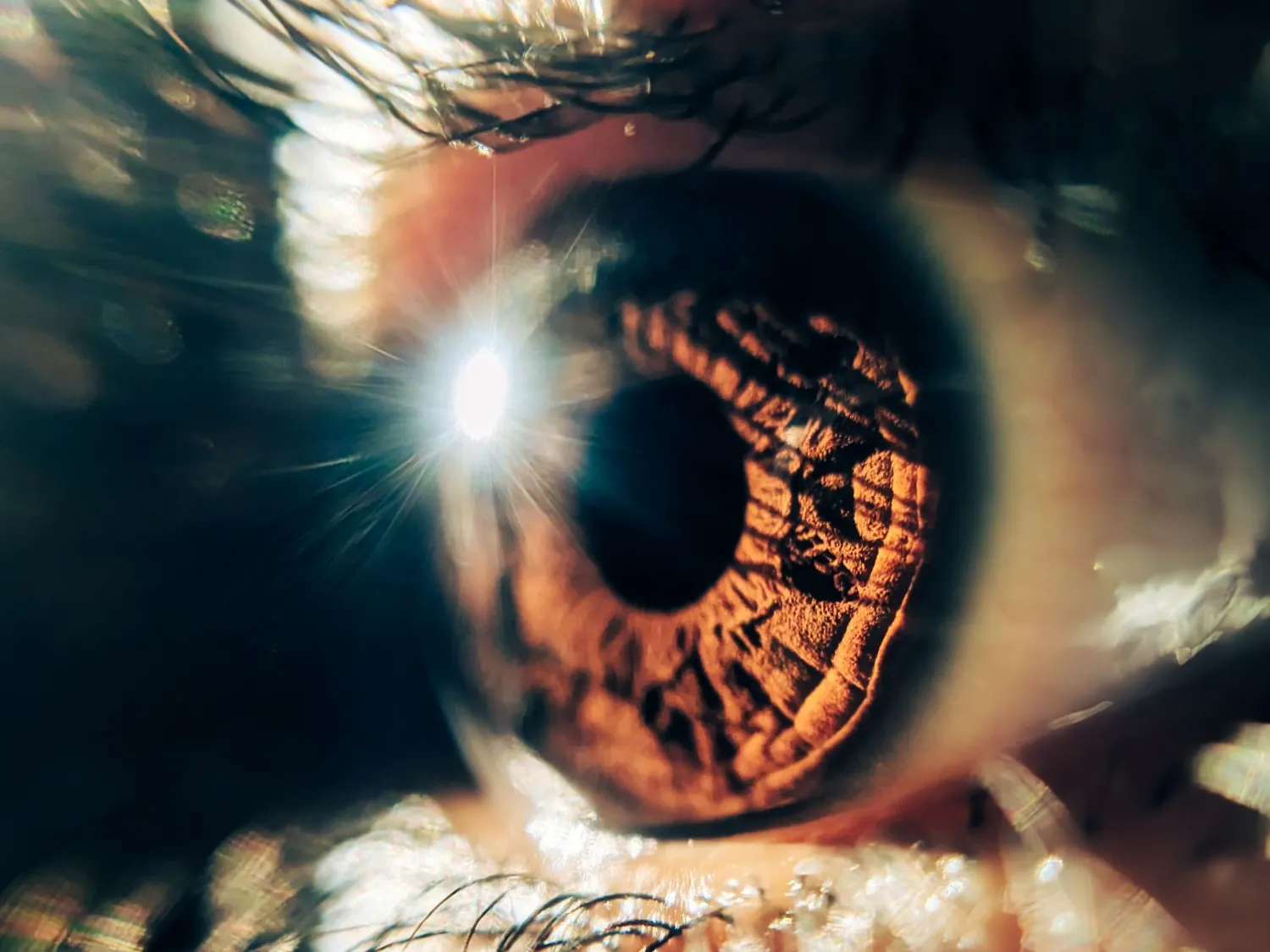
It is rarely a lack of water: usually the tear film evaporates too fast. That is why drops alone are not always enough.
Dr. Alejandro Navas Pérez
Read note -
Contact lenses: the care that actually matters
Most serious corneal problems in lens wearers come from three habits, and all three can be changed today.
Dr. Alejandro Navas Pérez
Read note
Frequently asked questions
What people ask us most before their first visit
Do I need a referral to book a visit?
No. You can book your consultation directly. If another doctor referred you, please bring their notes and any tests: they help us avoid repeating work that is already done.
How long does the first assessment take?
Between 30 and 60 minutes. It includes a full eye exam.
What should I bring to my appointment?
Your current glasses, a list of the medications you take and any previous eye tests or prescriptions. If you wear contact lenses, ask us how long before the visit you should take them out.
Will my pupils be dilated? Can I drive afterwards?
Often yes, especially for retina and glaucoma exams. The drops leave your vision blurry and light-sensitive for a couple of hours, so it is best to bring someone along or not drive back.
Where is the clinic?
In Santa Fe, inside an office tower: Prolongación Vasco de Quiroga 4001, Tower A, 5th floor, office 5. Allow a few minutes for the entrance and the elevator; the "Directions" button opens the route on the map.