
Cornea

Am I a candidate for refractive surgery?

1 min read Dr. Alejandro Navas Pérez

Cornea and refractive surgery

Share

It is not for everyone, or at any point in life: first we check your prescription, your corneal shape and the ocular surface.

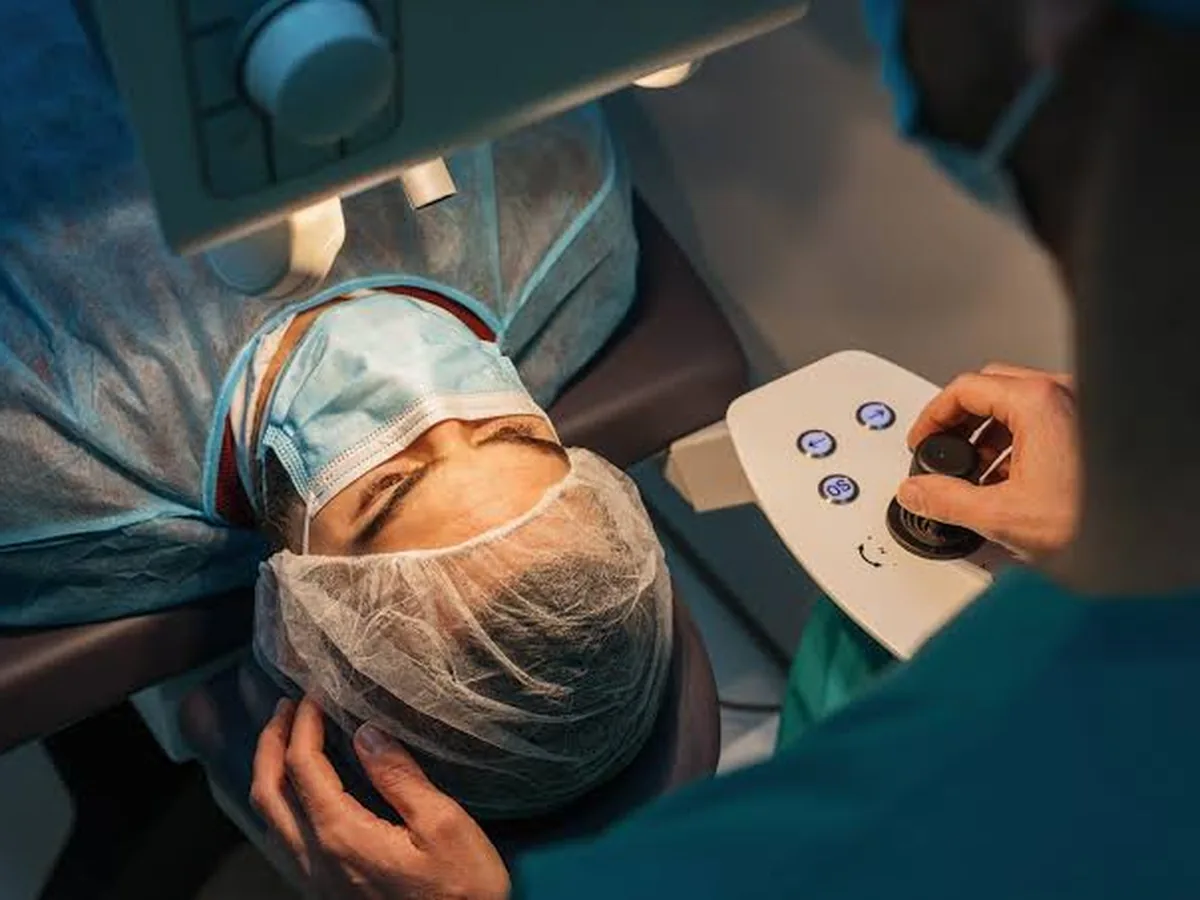
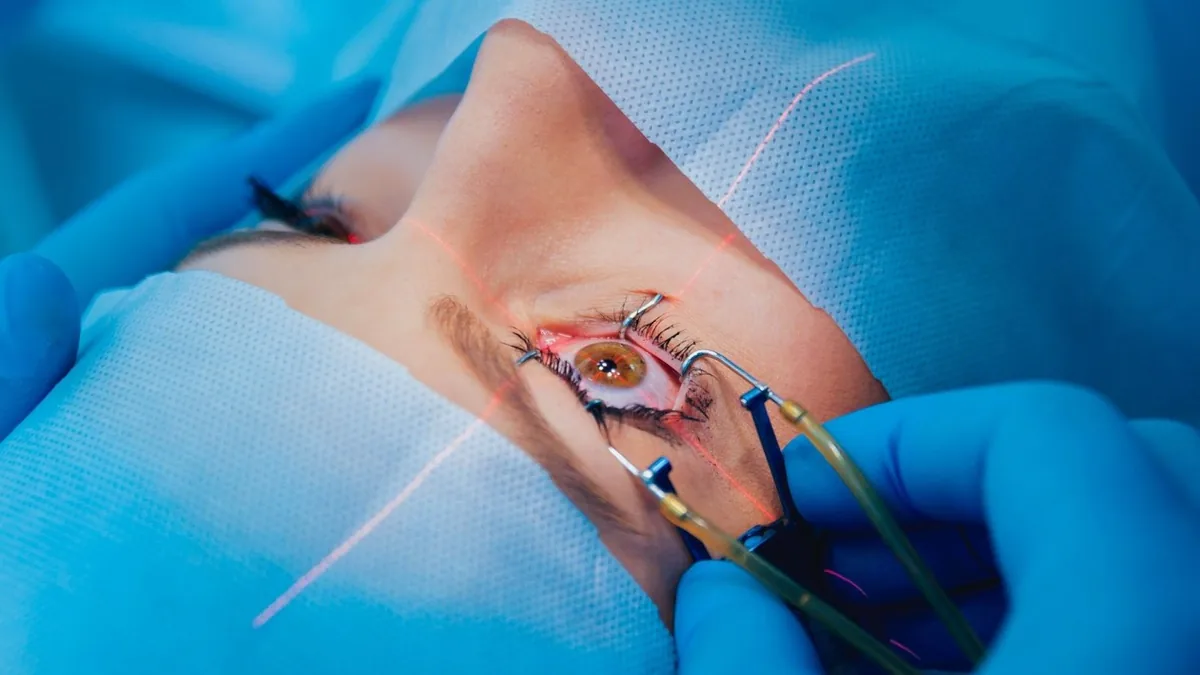
Refractive surgery corrects your prescription by reshaping the cornea, the clear window at the front of the eye. Whether it works well depends less on how much you see and more on the state of that cornea, so the answer does not come from a quick visit: it comes from a full workup.

What we check first

  • That your prescription has been stable, with no changes from one year to the next.
  • Corneal thickness and shape, with topography: that is what tells us how much tissue there is to work with.
  • The ocular surface and tear quality, because dry eye changes both the result and the recovery.
  • Intraocular pressure and the retina, which get checked even when you came in for something else.

When it is better to wait

Sometimes the answer is "not yet", and that is not a final no: a prescription that is still moving, dry eye that needs treatment first, an ongoing pregnancy or breastfeeding, or a cornea whose shape calls for a different route. In those cases what changes is the timing or the technique, not the possibility.

If you are considering surgery, the first appointment is for assessment, not for deciding: you leave knowing what can be done in your case, what cannot, and why.

Was this note useful?

Tap a reaction.

Tags Refractive surgeryCorneaWorkup
Share this note

Keep reading

More notes on the same topic

  • The cornea is the window of the eye

    When it loses clarity or changes shape, vision blurs even with the right lenses: a prescription that will not settle deserves an exam.

    Dr. Alejandro Navas Pérez

    Read note
  • Dry eye: why it burns and what helps

    It is rarely a lack of water: usually the tear film evaporates too fast. That is why drops alone are not always enough.

    Dr. Alejandro Navas Pérez

    Read note
  • Contact lenses: the care that actually matters

    Most serious corneal problems in lens wearers come from three habits, and all three can be changed today.

    Dr. Alejandro Navas Pérez

    Read note

Frequently asked questions

What people ask us most before their first visit

Do I need a referral to book a visit?

No. You can book your consultation directly. If another doctor referred you, please bring their notes and any tests: they help us avoid repeating work that is already done.

How long does the first assessment take?

Between 30 and 60 minutes. It includes a full eye exam.

What should I bring to my appointment?

Your current glasses, a list of the medications you take and any previous eye tests or prescriptions. If you wear contact lenses, ask us how long before the visit you should take them out.

Will my pupils be dilated? Can I drive afterwards?

Often yes, especially for retina and glaucoma exams. The drops leave your vision blurry and light-sensitive for a couple of hours, so it is best to bring someone along or not drive back.

Where is the clinic?

In Santa Fe, inside an office tower: Prolongación Vasco de Quiroga 4001, Tower A, 5th floor, office 5. Allow a few minutes for the entrance and the elevator; the "Directions" button opens the route on the map.