
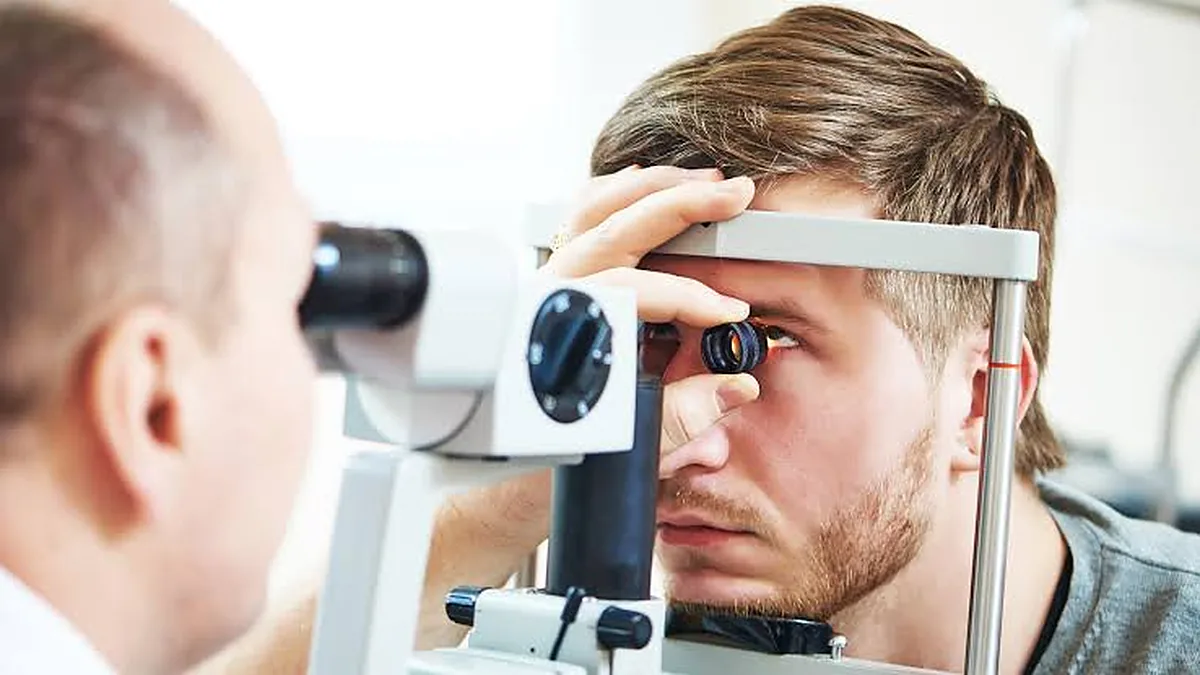
Your check-ups start earlier. Pressure alone is not enough: the optic nerve and the visual field are assessed too, and repeated over time.
Having a first-degree relative with glaucoma is one of the heaviest risk factors, and it changes one concrete thing: when you start getting checked. It is not cause for alarm, it is cause for a schedule.
What to tell your ophthalmologist
- Who in your family has it and how you are related.
- At what age it was found, if you know.
- Whether anyone in the family lost vision from it.
With that, the exam stops being a single snapshot and becomes a series: measure pressure, look at the optic nerve, run a visual field and repeat as often as needed. What we are looking for is not a high number on one day, but a change over time.
Was this note useful?
Tap a reaction.
Tags GlaucomaFamily historyPrevention