

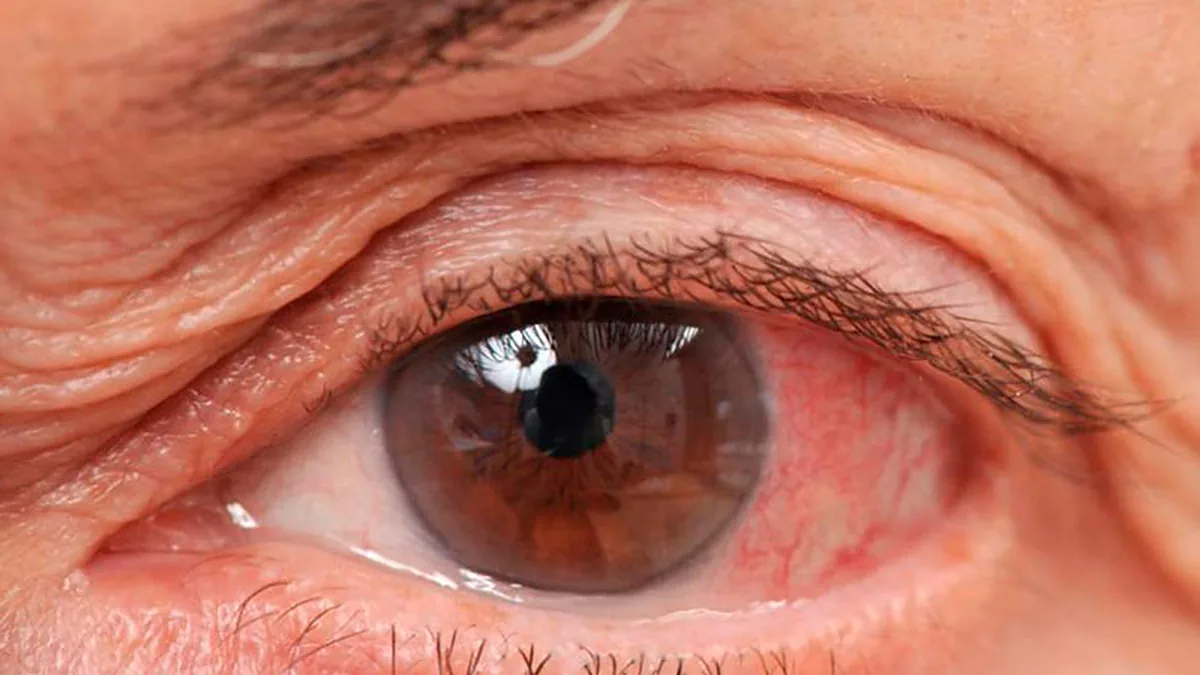
Glaucoma

Glaucoma gives almost no warning

1 min read Dra. Jasbeth Jahaira Ledesma Gil

Glaucoma

Share

Side vision goes little by little and the brain fills in what is missing. By the time you notice, the optic nerve is damaged.

Glaucoma damages the optic nerve, the cable that carries what you see to the brain. It starts at the edges of your vision, moves slowly and does not hurt. The brain fills the gaps with what it expects to find, so for a long time the feeling is that you see fine.

What gets measured

  • Intraocular pressure, which is a risk factor and not a diagnosis on its own.
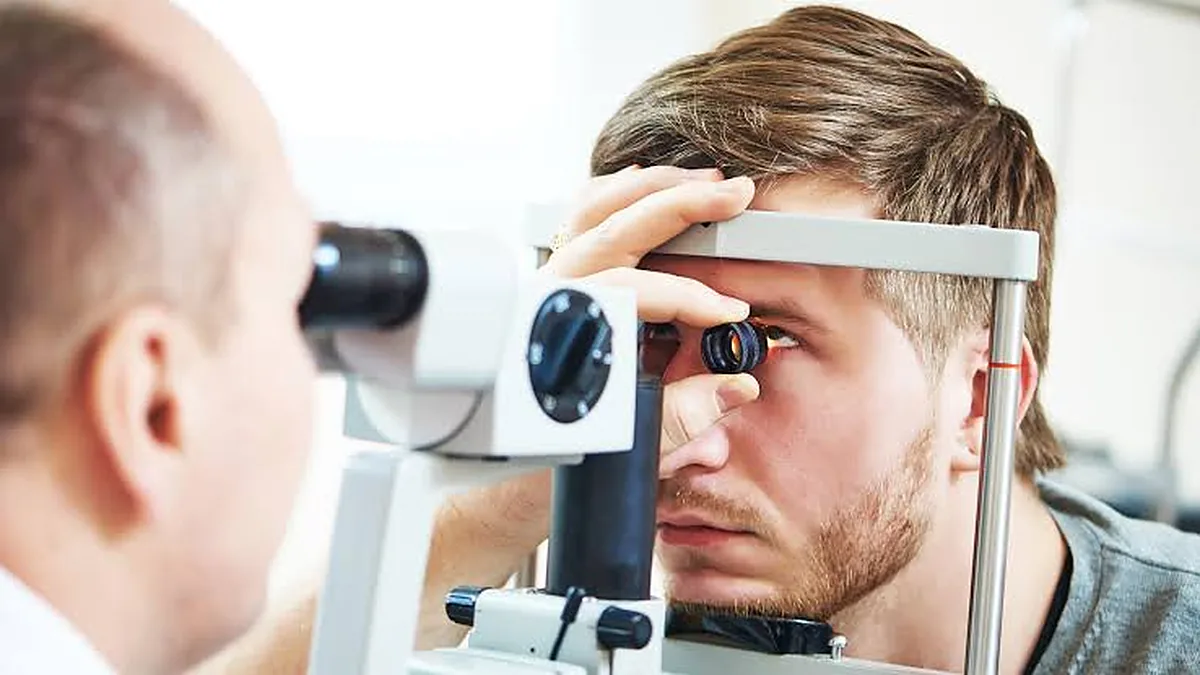
  • The look of the optic nerve, examined and documented so it can be compared over time.
  • The visual field, which is what shows whether side vision is already missing.

What can and cannot be done

What is already lost does not come back; what remains is protected. That is why treatment is measured in years and in consistency, and why follow-up visits are not paperwork: they are how we know whether what we are doing is working.

Was this note useful?

Tap a reaction.

Tags GlaucomaOptic nerveVisual field
Share this note

Keep reading

More notes on the same topic

  • If glaucoma runs in your family

    Your check-ups start earlier. Pressure alone is not enough: the optic nerve and the visual field are assessed too, and repeated over time.

    Dra. Jasbeth Jahaira Ledesma Gil

    Read note
  • Glaucoma drops are for every day

    They are not felt and they do not relieve a symptom: that is why they get forgotten. What they do is hold the pressure while the nerve holds on.

    Dra. Jasbeth Jahaira Ledesma Gil

    Read note

Frequently asked questions

What people ask us most before their first visit

Do I need a referral to book a visit?

No. You can book your consultation directly. If another doctor referred you, please bring their notes and any tests: they help us avoid repeating work that is already done.

How long does the first assessment take?

Between 30 and 60 minutes. It includes a full eye exam.

What should I bring to my appointment?

Your current glasses, a list of the medications you take and any previous eye tests or prescriptions. If you wear contact lenses, ask us how long before the visit you should take them out.

Will my pupils be dilated? Can I drive afterwards?

Often yes, especially for retina and glaucoma exams. The drops leave your vision blurry and light-sensitive for a couple of hours, so it is best to bring someone along or not drive back.

Where is the clinic?

In Santa Fe, inside an office tower: Prolongación Vasco de Quiroga 4001, Tower A, 5th floor, office 5. Allow a few minutes for the entrance and the elevator; the "Directions" button opens the route on the map.